Home Weatherization: What It Is, Costs, Benefits & Programs
Elisa DeFoe • December 1, 2025
TL; DR:
Home weatherization is crucial for protecting properties from extreme temperatures, wind, and moisture, significantly cutting energy bills and enhancing year-round comfort. This process involves strategically sealing air leaks, adding insulation, and upgrading windows and doors to create a more efficient building envelope. A professional energy audit is the crucial first step, pinpointing specific energy losses with tools like blower door tests and infrared cameras, thereby prioritizing upgrades for maximum impact. Key improvements typically include attic insulation (R-38 to R-60 recommended for Colorado) and comprehensive air sealing, followed by basement sealing, window/door enhancements, and HVAC/duct improvements. While comprehensive weatherization projects generally cost $3,000-$5,000, homeowners can anticipate $300-$400 in annual energy savings, leading to a 5-8 year payback and increased home resale value. Crucially, the federally funded Weatherization Assistance Program (WAP) provides free weatherization services, including audits and installations, to eligible low-income households, making these vital energy efficiency upgrades accessible.
Home Weatherization: What It Is, Costs, Benefits & Programs
Home weatherization protects your house from extreme temperatures, wind, moisture, and other elements that drive up energy bills and damage your property. It involves sealing air leaks, adding insulation, upgrading windows, and making other improvements that keep conditioned air inside where it belongs. When done right, weatherization cuts heating and cooling costs while making your home more comfortable year round.
This guide breaks down everything you need to know about weatherizing your home. You'll learn which upgrades deliver the biggest returns, what the process typically costs, and how much you can expect to save on energy bills. We'll also cover free weatherization assistance programs available to qualifying homeowners, including eligibility requirements and how to apply. Whether you're dealing with drafty rooms, high utility bills, or storm damage to your roof and exterior, understanding weatherization helps you make smart decisions about protecting your investment.Why home weatherization matters
Your home loses conditioned air every day through gaps around windows, doors, attics, and other areas where warm or cool air escapes. This invisible energy leak forces your HVAC system to work harder and run longer, driving up monthly utility bills while failing to maintain consistent indoor temperatures. Weatherization addresses these inefficiencies directly by creating a sealed building envelope that keeps your home at the temperature you set, using less energy in the process.
Energy savings and comfort improvements
Weatherized homes use 18% less energy for heating and 7% less for cooling on average, according to the U.S. Department of Energy. That translates to real savings on your monthly bills, with many homeowners seeing $300 to $400 in annual reductions. Beyond the financial benefits, you'll notice fewer drafts, more even temperatures between rooms, and less strain on your heating and cooling equipment.
Protection for Colorado homes
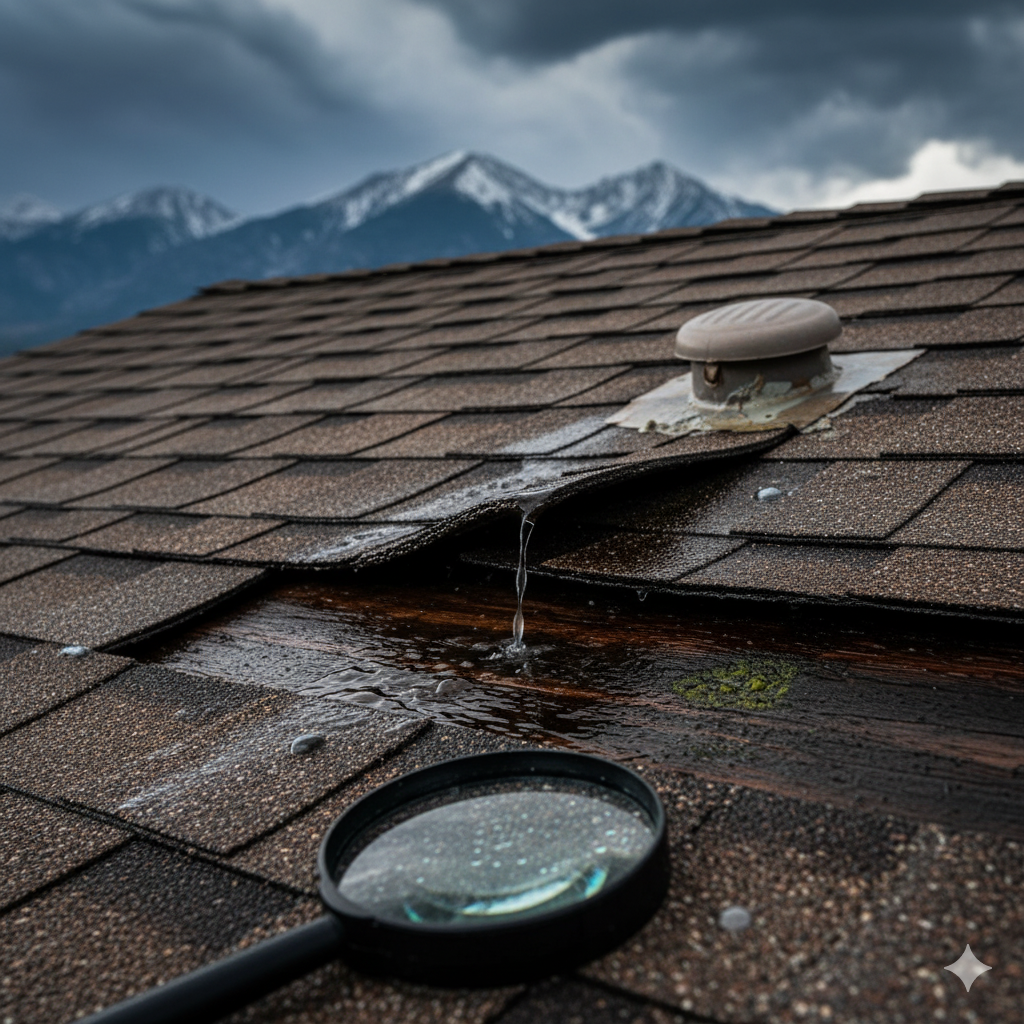
Colorado's extreme weather patterns make weatherization particularly valuable. Your home faces intense UV exposure, hailstorms that damage roofs and siding, temperature swings of 40 degrees or more in a single day, and dry conditions that stress building materials. Proper weatherization shields your property from these elements while preventing moisture intrusion that leads to mold, rot, and structural damage.
Understanding what is home weatherization means recognizing it as both an energy efficiency strategy and a comprehensive protection system for your property investment.
How to weatherize your home
The weatherization process follows a systematic approach that identifies your home's specific energy losses and addresses them in order of impact. You start by understanding where your home loses the most energy, then you implement improvements based on cost effectiveness and potential savings. This method ensures you invest your money where it makes the biggest difference rather than guessing at what might help.
Start with a professional energy audit
An energy auditor uses specialized equipment to measure exactly where your home loses conditioned air. Blower door tests create negative pressure inside your house to reveal air leaks, while infrared cameras show temperature differences that indicate missing insulation or drafts. The auditor produces a detailed report ranking improvements by their return on investment, giving you a clear roadmap for what to fix first.
Many utility companies offer free or subsidized energy audits to their customers. If you qualify for weatherization assistance programs, you'll receive this audit at no cost as part of the process.
Professional audits reveal problems you can't see with the naked eye, preventing wasted money on low impact improvements.
Prioritize the biggest energy losers
Attic insulation and air sealing typically deliver the highest returns because hot air rises and escapes through your roof. You tackle these areas first, followed by basement and crawl space sealing where cold air enters from below. Windows and doors come next, then exterior walls and ductwork. This sequence maximizes your energy savings per dollar spent while building momentum as you see immediate results from early improvements.
Key home weatherization upgrades
Specific improvements target the areas where your home loses the most energy and lets in weather damage. Focusing on these core upgrades gives you the fastest payback and most noticeable comfort improvements. Each upgrade works together to create a complete barrier between your conditioned indoor space and Colorado's harsh outdoor conditions.
Air sealing and insulation
Sealing air leaks stops energy loss at its source by blocking the gaps and cracks where conditioned air escapes. You seal around windows, doors, electrical outlets, plumbing penetrations, and the junction between your walls and attic. Adding or upgrading insulation in your attic, walls, and basement keeps heat from transferring through building materials, maintaining steady indoor temperatures regardless of outside conditions.
Proper attic insulation should reach R-38 to R-60 in Colorado, depending on your specific location and home design. Spray foam works well for irregular spaces and air sealing simultaneously, while batt or blown insulation costs less for standard applications.
Windows and doors
Replacing old single pane windows with ENERGY STAR certified models cuts heat transfer dramatically while blocking UV rays that fade furniture and flooring. You can also weatherstrip existing doors and windows as a lower cost alternative that still provides significant improvement. Storm windows add an extra insulation layer without full replacement costs.
Modern low-e windows reflect heat back into your home during winter and keep it out during summer, working year round to reduce your HVAC load.
HVAC and duct improvements
Sealing and insulating your ductwork prevents conditioned air from leaking into unconditioned spaces like attics and crawl spaces. You lose up to 30% of heated or cooled air through duct leaks in typical homes. Upgrading to a high efficiency furnace or air conditioner complements weatherization by using less energy to maintain comfort, especially after you've reduced your home's overall energy demand through sealing and insulation work.
Home weatherization costs and savings
Weatherization projects range from $500 to $10,000 depending on your home's size, current condition, and which improvements you choose. A comprehensive whole-house weatherization typically costs $3,000 to $5,000 for most Colorado homes, though you can start smaller with targeted upgrades like air sealing and attic insulation. Your actual costs depend on how much work your home needs, whether you hire professionals or tackle some projects yourself, and the specific materials you select.
Typical weatherization project costs
Air sealing costs $300 to $1,500 when you hire professionals to seal all the major leak points throughout your home. Attic insulation runs $1,500 to $3,500 for a typical house, depending on the depth you add and accessibility challenges. Window replacement represents the biggest single expense at $400 to $1,200 per window for energy efficient models, while weatherstripping doors costs just $50 to $150 per door. Duct sealing and insulation falls in the $500 to $2,000 range, making it a mid-tier investment with excellent returns.
Return on investment
You recoup your weatherization investment through monthly energy bill reductions of $30 to $50 on average, giving most projects a payback period of five to eight years. Your home's resale value increases by the full amount you spend on energy efficiency improvements, sometimes more in markets where buyers prioritize low utility costs. Colorado homeowners see faster payback periods because of extreme temperature swings that force HVAC systems to work harder, meaning your energy waste costs more here than in moderate climates.
When considering what is home weatherization worth to your budget, factor in both immediate comfort improvements and long term financial gains that compound over decades of ownership.
Weatherization assistance and programs
The Weatherization Assistance Program (WAP) provides free home improvements to eligible households, covering the full cost of energy audits, materials, and professional installation. This federally funded program operates through local agencies in every state, helping approximately 35,000 families each year reduce their energy bills through comprehensive weatherization work. You pay nothing out of pocket if you qualify, making it possible to access improvements that would otherwise cost thousands of dollars.
Who qualifies for free weatherization
Your household qualifies if your income falls at or below 200% of federal poverty guidelines, which translates to roughly $60,000 annually for a family of four in 2025. Priority goes to homes with seniors over 60, people with disabilities, families with young children, and households paying more than 6% of their income on energy costs. Each state sets additional requirements, so your specific situation determines eligibility even if you meet the basic income threshold.
Understanding what is home weatherization assistance means knowing you can access these improvements regardless of whether you own or rent your home.
How to apply for assistance
You apply through your local WAP agency, which you find by visiting your state's energy office website or contacting community action agencies in your area. The application requires proof of income like pay stubs, tax returns, or benefit statements, plus utility bills showing your energy costs. Processing takes several weeks to months depending on demand, with approved applicants receiving a free energy audit followed by scheduled weatherization work performed by licensed contractors at no charge.
Next steps
You now understand what is home weatherization and how these improvements protect your Colorado home while cutting energy costs. Your action plan starts with identifying your biggest energy losses through a professional audit or weatherization assistance program, then addressing those problems in order of impact. Whether you qualify for free assistance or plan to invest in upgrades yourself, weatherization delivers measurable savings and comfort improvements that compound over time.
Your home's roof and exterior components play a critical role in weatherization success.
Schedule a free roof assessment with Semper Fi Restoration to evaluate your property's condition and identify weatherization opportunities that protect your investment.
We'd love to do a complimentary roofing assessment for you!